
Planning a corporate conference in Nairobi requires a strategic blend of logistics, technology, and professional coordination. As one of East Africa’s leading business hubs, Nairobi hosts a wide range of conferences—from executive meetings and industry summits to international assemblies. To ensure success, organizations must adopt a structured and professional approach to conference planning.
At Joe Photography & Events, we specialize in corporate conference planning in Nairobi, offering end-to-end solutions that guarantee seamless execution and impactful results.
Project Photos
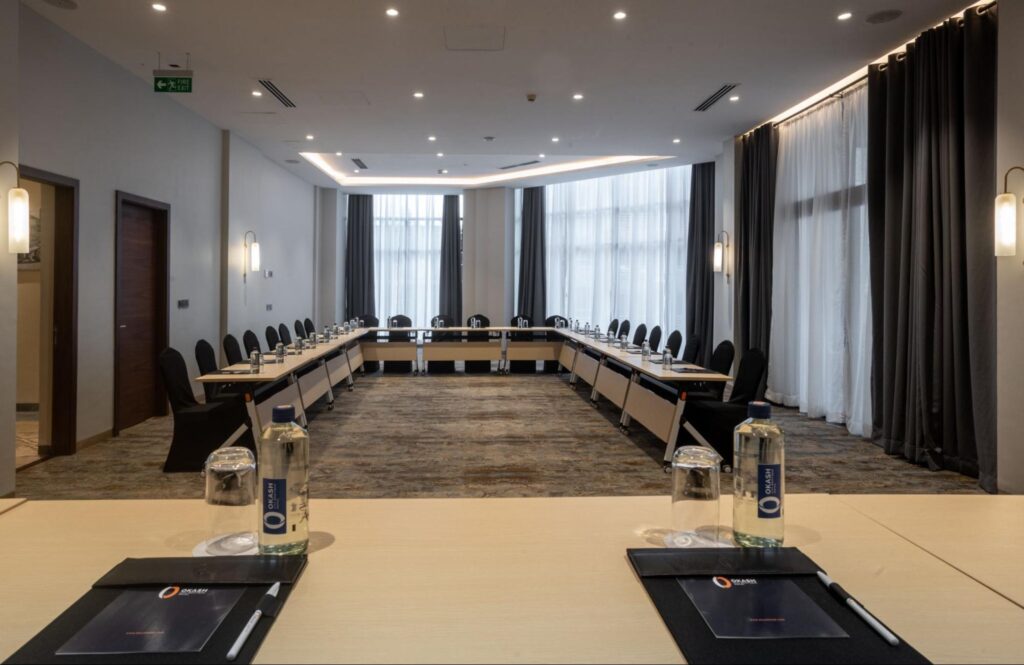
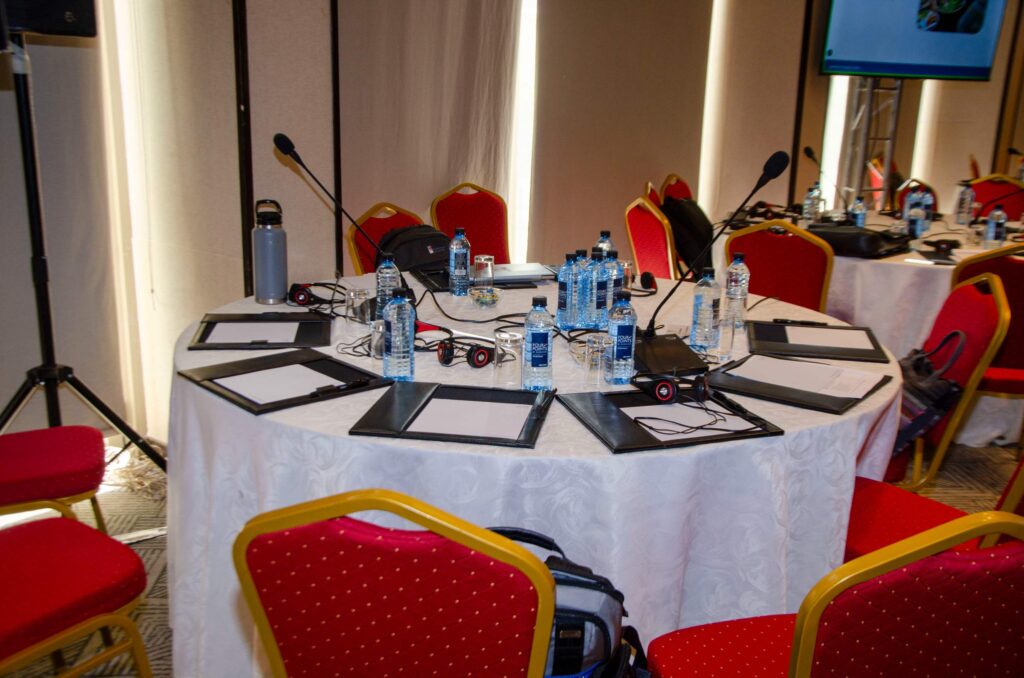

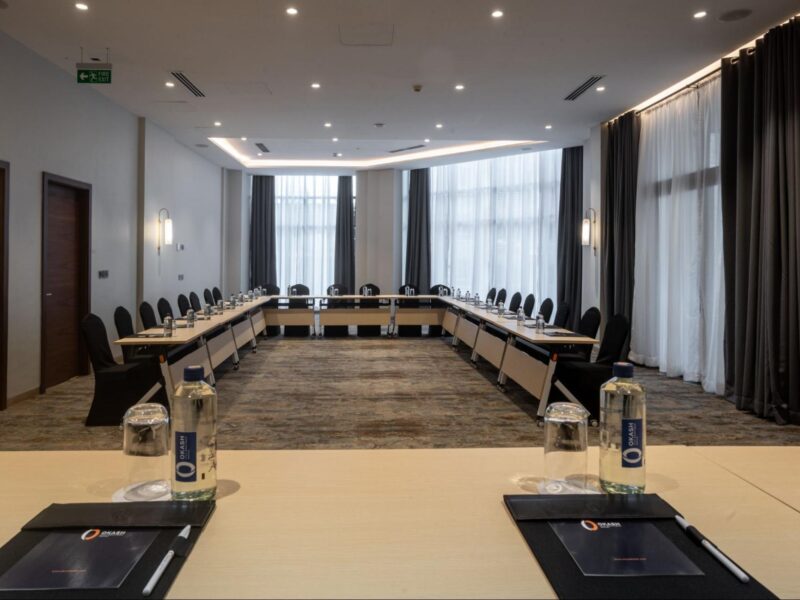
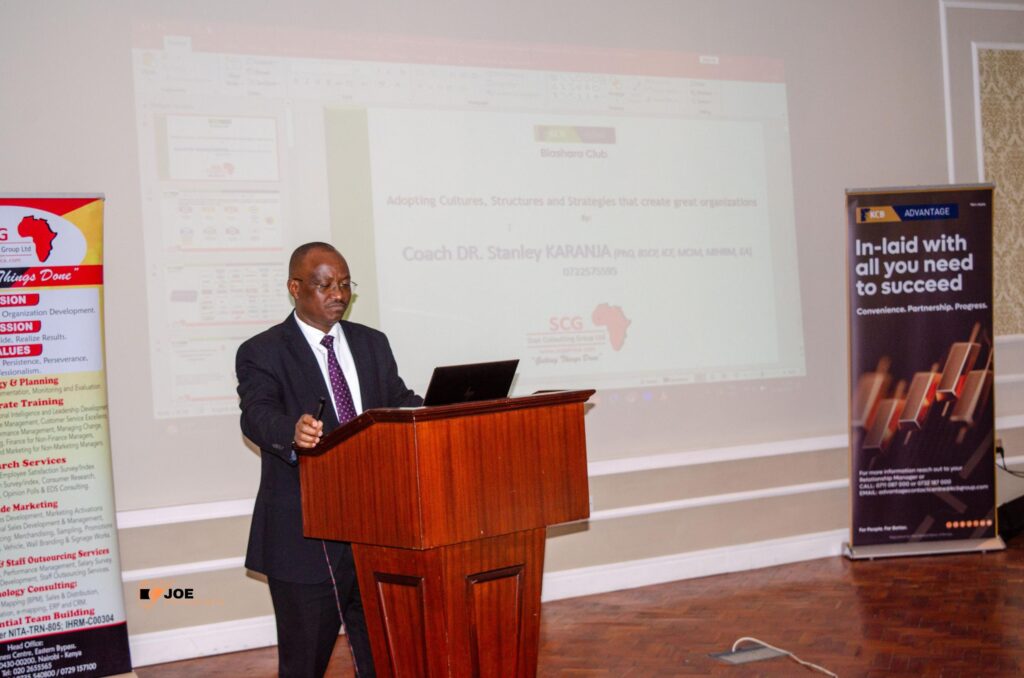 5 photos
Why Nairobi is Ideal for Corporate Conferences in Africa
Nairobi has become a preferred destination for corporate conferences due to several advantages:
- Strategic Location: A gateway to East and Central Africa, making it accessible for international delegates.
- Modern Venues: A wide range of hotels and conference centers with world-class facilities.
- Connectivity: Reliable internet infrastructure supporting hybrid and virtual events.
- Professional Services: Availability of experienced event planners, AV technicians, and hospitality providers.
Key Elements of Corporate Conference Planning
Successful conference planning involves several interconnected components:
1. Defining Objectives
Start by clearly identifying the purpose of the conference. Is it for networking, training, product launches, or stakeholder engagement? This will guide every decision moving forward.
2. Budget Planning
A well-structured budget ensures resources are allocated efficiently. Key cost areas include:
- Venue and accommodation
- Audio-visual production
- Catering
- Transport and logistics
- Marketing and branding
3. Venue Selection
Choosing the right venue in Nairobi is critical. Consider:
- Capacity and layout options
- Accessibility for local and international guests
- Availability of breakout rooms
- Technical capabilities (Wi-Fi, AV equipment)
4. Program Development
Create a detailed agenda that includes:
- Keynote speeches
- Panel discussions
- Workshops and breakout sessions
- Networking opportunities
5. Technology and AV Integration
Modern conferences rely heavily on technology:
- Sound systems and microphones
- Projectors and LED screens
- Live streaming and hybrid platforms
- Recording for post-event use
6. Guest Management
Efficient attendee management improves the overall experience:
- Online registration and confirmations
- Badge printing and check-in systems
- Communication before and during the event
7. Logistics and Coordination
This includes:
- Transport and airport transfers
- Accommodation arrangements
- Catering and refreshments
- Event staffing
The Ultimate Checklist for Planning a Corporate Conference in Nairobi (Expanded Guide)
To ensure nothing is overlooked, a corporate conference requires a structured, step-by-step checklist that covers strategy, logistics, technology, and execution. Below is a more detailed and practical breakdown used by professional event planners in Nairobi:
1. Strategic Planning & Goal Setting
Before any logistics begin, define the core purpose and success metrics of the conference:
- What is the main objective? (e.g., training, networking, product launch)
- Who is the target audience? (executives, clients, partners, public sector)
- What outcomes are expected? (leads, partnerships, knowledge sharing)
- Set KPIs such as attendance numbers, engagement levels, or ROI
2. Budget Development & Cost Control
A detailed budget prevents overspending and ensures efficient resource allocation:
- Venue and accommodation costs
- Audio-visual and technical setup
- Catering and refreshments
- Transport and logistics
- Marketing and branding materials
- Contingency fund (typically 10–15%)
💡 Tip: Always negotiate packages with Nairobi venues to reduce overall costs.
3. Venue Selection & Site Inspection
Choosing the right venue is critical to the conference experience:
- Confirm seating capacity and room layouts (theatre, boardroom, classroom)
- Check internet reliability and bandwidth (critical for hybrid events)
- Evaluate accessibility (proximity to CBD or JKIA)
- Inspect parking availability and security
- Conduct a physical site visit before booking
4. Program & Agenda Development
A well-structured program keeps attendees engaged:
- Develop a detailed conference schedule
- Allocate time for keynote speakers, panels, and Q&A sessions
- Include networking breaks and interactive sessions
- Prepare backup plans for speaker delays or cancellations
5. Speaker & Stakeholder Management
Speakers are central to your conference success:
- Identify and invite keynote speakers early
- Share presentation guidelines and timelines
- Arrange travel and accommodation for speakers
- Conduct pre-event briefings and rehearsals
6. Registration & Attendee Management
Streamline the attendee experience from start to finish:
- Set up an online registration system
- Send confirmations and reminders
- Prepare name badges and check-in systems
- Organize help desks for on-site assistance
7. Audio-Visual & Technical Setup
Technology is the backbone of modern conferences:
- High-quality sound systems and microphones
- LED screens or projectors for presentations
- Live streaming setup for virtual attendees
- Backup power solutions (generators/UPS)
- On-site technical support team
8. Branding, Design & Communication
Ensure your conference has a strong and consistent identity:
- Design banners, backdrops, and stage branding
- Prepare conference programs and printed materials
- Create digital assets for social media promotion
- Maintain consistent brand colors and messaging
9. Catering & Hospitality Planning
Food and hospitality significantly impact attendee satisfaction:
- Plan menus for tea breaks, lunches, and dinners
- Consider dietary requirements (vegetarian, halal, allergies)
- Ensure timely service to avoid schedule delays
- Coordinate water stations and refreshment points
10. Transport & Accommodation Logistics
For conferences with out-of-town or international guests:
- Arrange airport transfers from JKIA
- Book hotel accommodations close to the venue
- Provide transport schedules for delegates
- Assign coordinators for VIP guests
11. Legal Compliance & Risk Management
Avoid disruptions by ensuring compliance and preparedness:
- Secure necessary permits and licenses
- Arrange event insurance if required
- Plan for medical emergencies and first aid
- Implement crowd control and security measures
12. Event Staffing & Coordination
A well-trained team ensures smooth operations:
- Ushers for guest assistance and seating
- Registration staff for check-in
- Technicians for AV and live streaming
- Security personnel for safety
13. Final Preparations & Rehearsals
In the final days before the event:
- Conduct a full technical rehearsal
- Test microphones, presentations, and live streaming
- Review run sheets and timelines
- Brief all staff and stakeholders
14. Event Day Execution
This is where planning meets execution:
- Manage guest arrivals and registration
- Coordinate speakers and sessions
- Monitor time and program flow
- Handle technical issues in real-time
- Ensure smooth communication between teams
15. Post-Event Evaluation & Reporting
After the conference, evaluate its success:
- Collect feedback from attendees and stakeholders
- Share presentations, photos, and recordings
- Analyze performance against KPIs
- Prepare a detailed event report
- Identify areas for improvement
Our Corporate Conference Planning in Nairobi
At Joe Photography & Events, we provide comprehensive conference planning services, including:
- Venue sourcing and procurement
- RSVP and attendee management
- Conference branding and design
- Audio-visual production and live streaming
- Photography and videography
- Transport and accommodation coordination
- Event staffing and logistics management
- Post-event reporting and media production
Our team ensures every conference is executed with precision, professionalism, and attention to detail.
Must Read:
- The Ultimate Checklist for Planning a Corporate Conference in Nairobi
- Top 10 Conference Venues in Nairobi — Capacity, Pricing & Pros/Cons
- How to Choose the Best Event Management Company in Kenya (8 Key Questions)
- What Is a PCO? The Role of a Professional Conference Organiser in Africa
- Hybrid Events in Kenya: How to Run Seamless In-Person + Virtual Conferences
- Planning a Summit in Nairobi? Here’s Your Complete Logistics Guide
- Nairobi vs Kigali: Which City Is Better for Your Next International Conference?
- How to Run a Sustainable Conference in Kenya: Practical Steps
- Event Guest Logistics: How to Manage Travel & Accommodation for 200+ Delegates
- MICE Industry Kenya 2026: Trends, Growth & What Corporates Are Asking For