
Development projects create meaningful change in communities, but demonstrating that impact requires more than statistics and written reports. Strong visual documentation brings project outcomes to life, showing donors, development partners, and the public how investments translate into practical improvements in people’s lives.
Project Photos
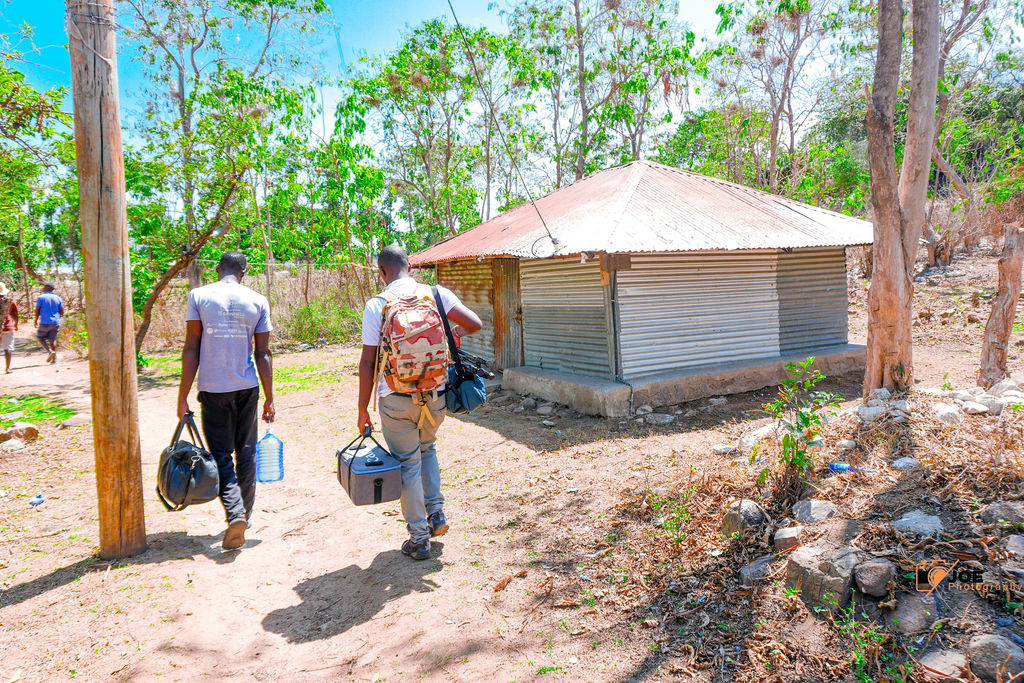
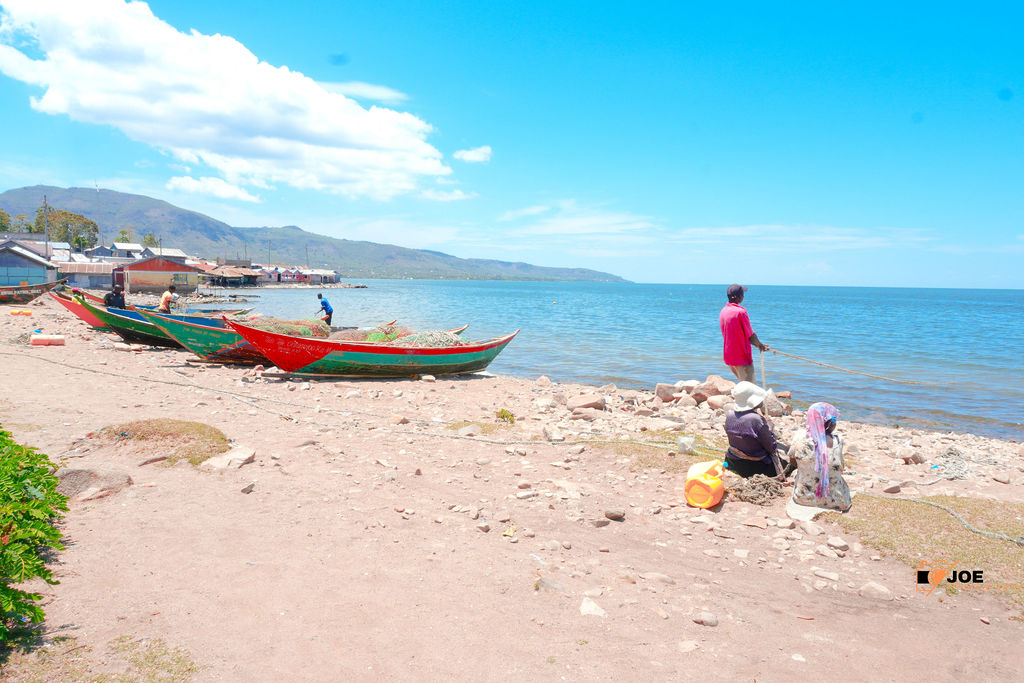 2 photos
Through professional NGO Impact Documentary Services, organisations can capture authentic community experiences, document project implementation, and communicate measurable outcomes through photography, video, interviews, and aerial footage.
A four-day field production in Homa Bay County, along the shores of Lake Victoria, explored how solar-powered water purification and ice production are helping address two important community challenges: access to safe drinking water and post-harvest losses in the fishing industry.
NGO Impact Documentary Services in Homa Bay -The Challenge in Homa Bay: Fishing, Food Preservation, and Water Security
Fishing is an important source of income and food for communities around Lake Victoria. However, fishers and traders face challenges when preserving their catch, particularly where reliable electricity and accessible cold-chain infrastructure are limited.
Without adequate ice and cold storage, freshly caught fish can deteriorate before reaching the market. This can result in financial losses for fishing households, reduced product quality, and increased pressure on traders who depend on selling fish quickly.
Women traders, commonly known as Mama Karanga, are particularly important in the local fish economy. When preservation options are limited, traders may have little choice but to sell their stock quickly, sometimes accepting lower prices to avoid losing perishable products.
Water security presents another challenge. Communities need reliable access to treated drinking water, especially in areas where untreated water may expose households to waterborne diseases.
Addressing these interconnected challenges requires practical solutions that support livelihoods while improving access to essential services.
Solar Energy as a Practical Community Solution
The Homa Bay project demonstrates how renewable energy can support local economic activity and improve access to essential resources.
Solar energy water purification in Homa Bay
Solar-powered water purification offers a practical approach to providing treated water in areas where electricity supply may be unreliable or difficult to access.
By using solar energy to support purification operations, the system can help improve the availability of safe drinking water while reducing dependence on conventional electricity sources.
Professional NGO impact documentary captures how these systems operate, the infrastructure behind them, and the experiences of the communities they serve.
Rather than simply filming the equipment, effective documentation follows the process from water treatment to the people who depend on the resulting service. This helps audiences understand both the technology and its intended community benefits.
Solar-powered ice production for fish preservation
Reliable ice is essential for maintaining fish quality after harvesting. Solar-powered ice production provides an opportunity to strengthen cold-chain preservation for fishers, particularly in locations where conventional power infrastructure is limited.
For fish traders, access to ice can create greater flexibility in handling and selling fish. Instead of being forced to sell immediately because of spoilage risks, traders may have more time to seek suitable buyers and negotiate fair prices.
For Mama Karanga, improved preservation can support better business decisions and potentially reduce losses associated with deteriorating stock.
Documenting solar-powered ice production on Lake Victoria requires more than recording machinery in operation. It involves showing how energy, infrastructure, fishing activities, and local markets connect to influence everyday livelihoods.
Through Green energy impact documentary production, NGOs can communicate these relationships in a way that makes technical interventions understandable to donors, policymakers, and the wider public.
NGO Impact Documentary Services in Homa Bay: A Four-Day Field Production in Homa Bay
Documenting a development project requires careful planning, coordination, and an understanding of the people and processes involved.
The four-day field NGO Impact Documentary Services in Homa Bay was designed to capture the project from multiple perspectives, combining community voices, operational footage, and environmental visuals to create a comprehensive visual record.
1. Capturing authentic community stories
People are central to development storytelling. Interviews and observational footage help communicate how communities experience a project and what changes they associate with its implementation.
The production focused on capturing the human side of the intervention, including the experiences of fishers and women traders whose livelihoods depend on the fishing economy.
These stories provide context that technical footage alone cannot deliver. They help audiences understand why water purification and fish preservation matter beyond the physical installation of equipment.
2. Documenting the technology in operation
For infrastructure and renewable energy projects, visual evidence of operational processes is an important part of communicating implementation.
The production captured the solar-powered systems and their working environments, helping illustrate the relationship between renewable energy, water treatment, and ice production.
Close-up footage, wider operational shots, and carefully sequenced visuals can explain how a system works without relying entirely on technical descriptions.
This approach is particularly valuable for development partners who need to communicate project activities to audiences unfamiliar with the technology.
3. Using drone footage to establish context
Aerial footage adds geographical context to an impact documentary. In Homa Bay, drone perspectives can help establish the relationship between the project infrastructure, surrounding communities, and the Lake Victoria shoreline.
When combined with ground-level footage, aerial visuals create a stronger sense of place and help viewers understand the environment in which the intervention operates.
Drone footage is most effective when it supports the story rather than serving as decoration. It can establish locations, reveal the surrounding landscape, and connect the project to the wider community and local economy.
4. Building a coherent visual narrative
A successful field production is not simply a collection of attractive shots. Each visual should contribute to a clear narrative.
The production approach connected the community’s challenges with the infrastructure designed to address them, then brought the story back to the people who depend on these services.
This structure helps transform field footage into a communication asset that can be used across multiple platforms, including:
- Project impact documentaries.
- Donor presentations and progress reports.
- NGO websites and digital campaigns.
- Stakeholder engagement meetings.
- Social media and public awareness campaigns.
- Grant applications and fundraising communications.
Why NGOs Need Professional Impact Documentary Services
For NGOs, international development organisations, and implementing partners, visual documentation serves both communication and accountability purposes.
Strengthening donor reporting and accountability
Donors need credible information about how projects are implemented and whom they serve. Photography, interviews, and video footage can complement monitoring data and written reports by providing a direct visual record of activities and community experiences.
Professional Donor reporting visual assets can help communications and programme teams illustrate project progress, document implementation milestones, and present evidence alongside verified programme data.
Visuals should complement, rather than replace, quantitative indicators, monitoring and evaluation findings, and documented project outcomes.
Making complex interventions easier to understand
Renewable energy, water infrastructure, and cold-chain systems involve technical processes that may be difficult to communicate through text alone.
A well-produced documentary combines interviews, demonstrations, explanatory footage, and contextual visuals to make these interventions more accessible.
This is where Visual impact storytelling for NGOs becomes especially valuable. It connects the technical details of a programme to the real-world challenges it is intended to address.
Supporting fundraising and future partnerships
Strong impact stories can help development organisations explain the relevance of their work to prospective funders and partners.
A documentary that demonstrates project implementation, includes authentic community perspectives, and clearly explains intended benefits can become a reusable communication resource long after the field visit ends.
However, credible storytelling must remain grounded in evidence. Claims about reduced losses, improved incomes, increased access to safe water, or health benefits should be supported by programme data or clearly attributed community testimony.
Creating reusable communication assets
A professionally planned production can generate more than one final film. With appropriate planning, the same fieldwork can produce a collection of assets for different communication needs.
These may include:
- A full-length project documentary.
- Short social media edits.
- Interview clips featuring community members and project representatives.
- High-resolution photographs for reports and publications.
- Aerial footage and project B-roll.
- Short video segments for presentations and stakeholder meetings.
This approach helps NGOs maximise the value of field visits while maintaining a consistent visual identity across their communications.
Professional NGO Video Production in Kenya
Effective development storytelling requires a combination of technical production skills, editorial judgement, and sensitivity to community experiences.
Professional NGO video production in Kenya can support organisations working in renewable energy, climate resilience, water and sanitation, agriculture, livelihoods, health, and other development sectors.
For projects operating across different counties and remote locations, experienced field production teams can plan interviews, capture operational processes, coordinate location coverage, and deliver organised visual assets for communications and reporting.
The most effective approach begins with understanding the programme’s objectives. Before filming, the production team should identify the intended audience, key messages, evidence requirements, interview subjects, and final deliverables.
This ensures that the resulting documentary is not only visually compelling but also useful to programme managers, communications teams, and development partners.
Document Your Project’s Impact with Joe Photography
At Joe Photography, we provide professional photography and videography for NGOs, development organisations, and institutional clients across Kenya.
Our approach to NGO Impact Documentary Services combines authentic storytelling with carefully planned visual documentation to help organisations communicate project activities, community experiences, and development outcomes.
Whether documenting a renewable energy installation, a water access programme, a livelihoods initiative, or a community development project, we work to capture the people, processes, and environments that bring the story together.
Our services include:
- NGO impact documentaries and project films.
- Field photography and videography.
- Community interviews and beneficiary stories.
- Drone footage for suitable project locations.
- Short-form video content for digital communication.
- Photography and video assets for donor reporting.
If your organisation is implementing a development project and needs professional visual documentation, we can help turn your field activities into clear, credible, and engaging stories.
FAQs on NGO Impact Documentary Services
What are NGO impact documentary services?
NGO impact documentary services involve professional photography and videography used to document development projects, community experiences, and programme outcomes. These services can include interviews, field footage, drone visuals, and project photography for donor reports, fundraising campaigns, websites, and stakeholder presentations.
Why is visual impact storytelling important for NGOs?
Visual impact storytelling helps NGOs communicate complex development initiatives through authentic human stories and visual evidence. It enables donors, partners, and the public to understand project activities, see implementation progress, and connect with the communities benefiting from development programmes.
Can you document renewable energy and water projects in remote areas of Kenya?
Yes. Joe Photography & Safaris provides photography and videography for development projects across Kenya, including renewable energy, water purification, agriculture, and community livelihoods initiatives. Productions can include interviews, operational footage, location coverage, and drone visuals where suitable and permitted.
What deliverables can NGOs receive from an impact documentary shoot?
Depending on the project scope, deliverables may include a full-length impact documentary, short social media videos, beneficiary interviews, high-resolution photographs, drone footage, and B-roll for reports and presentations. Deliverables are agreed upon before production to align with the organisation’s communication and donor reporting requirements.
How can an NGO book professional NGO impact documentary services in Kenya?
NGOs and development partners can contact Joe Photography through joekphotography.co.ke to discuss their project objectives, locations, production schedule, and required deliverables. A customised proposal can then be prepared based on the scope of work, field logistics, and intended use of the visual assets.