
In today’s highly visual digital marketplace, beauty brands in Kenya are competing not just on product quality, but on presentation. Whether you are selling skincare, makeup, hair products, or cosmetics, working with a professional beauty product photography in Kenya plays a critical role in how your brand is perceived. From startups to established brands across Kenya, investing in high-quality visuals is no longer optional—it’s essential.
Project Photos
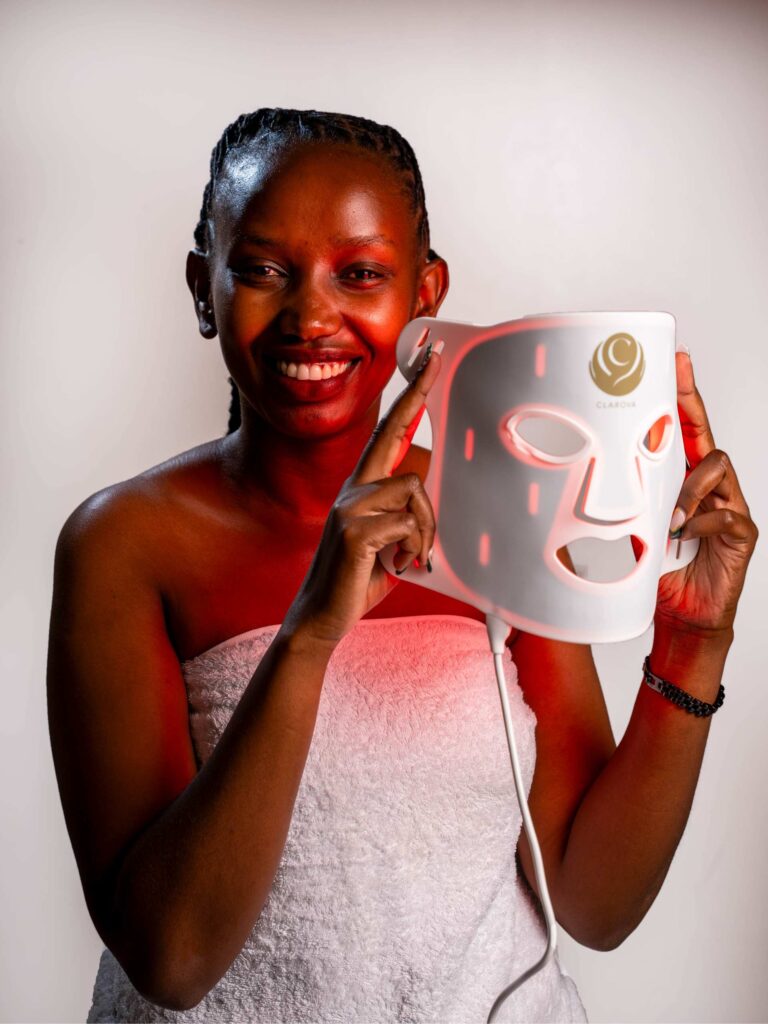
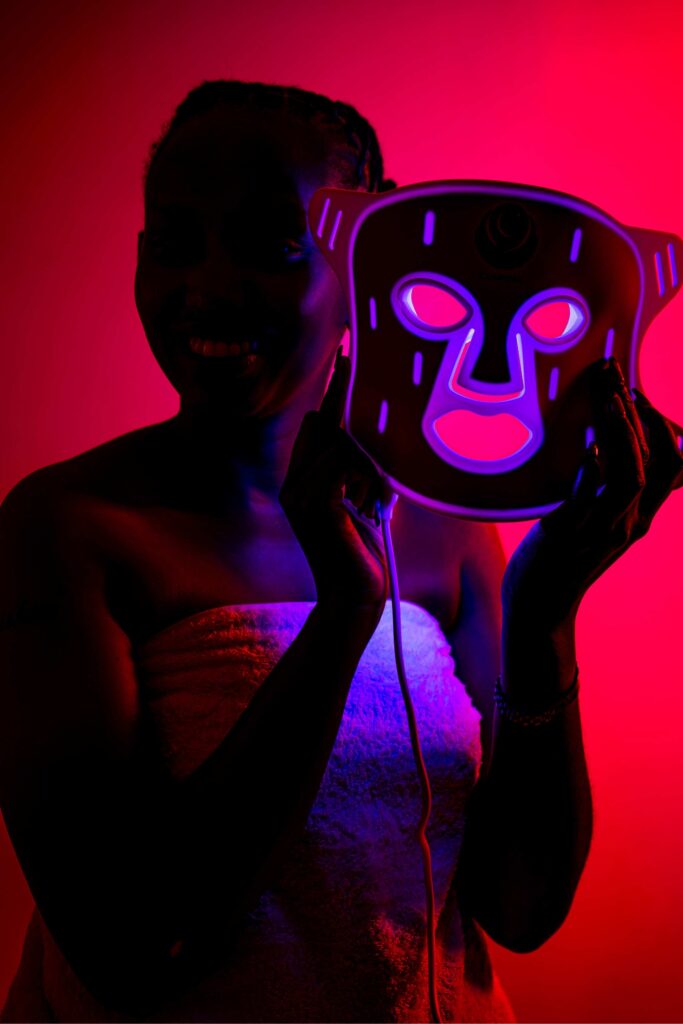
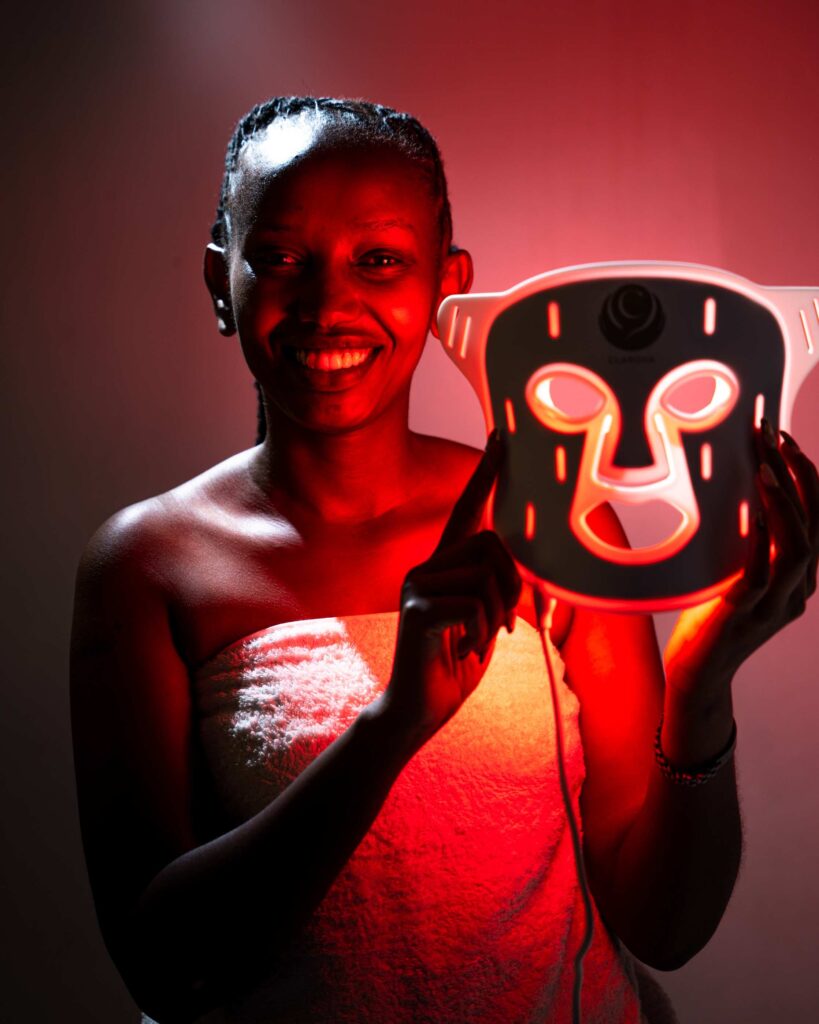
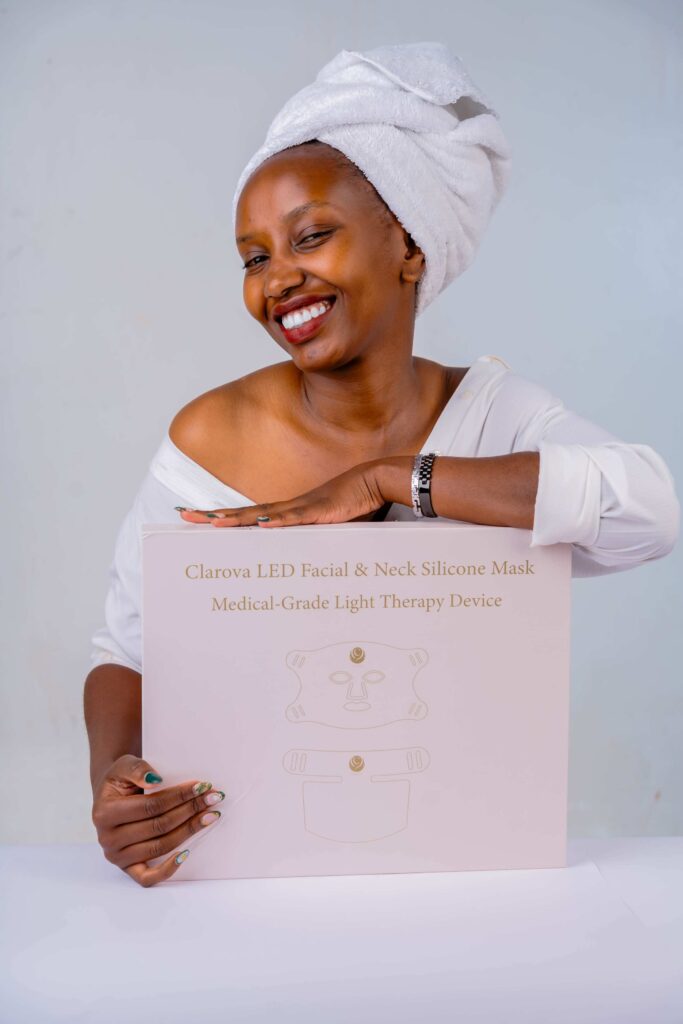
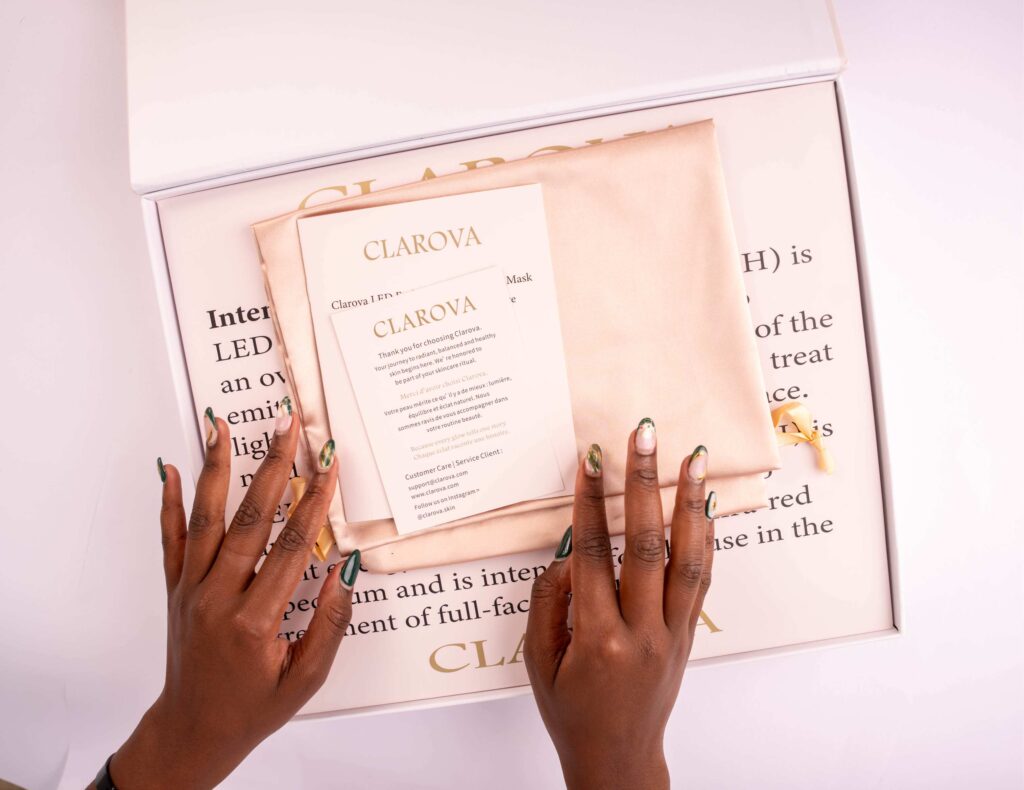
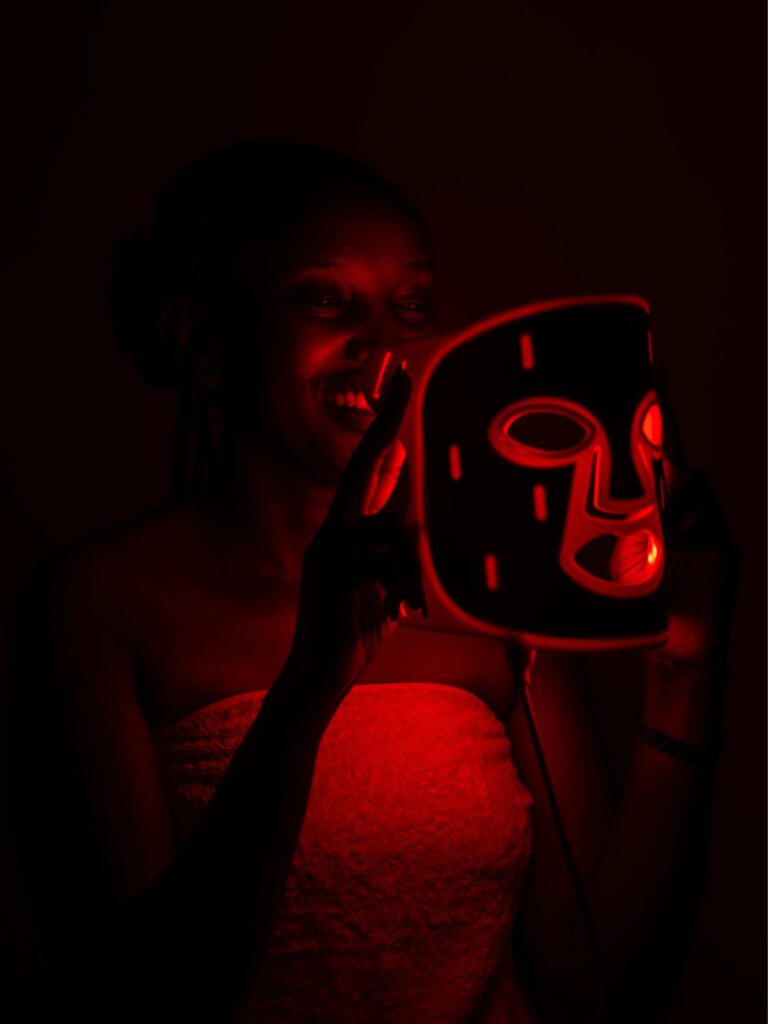
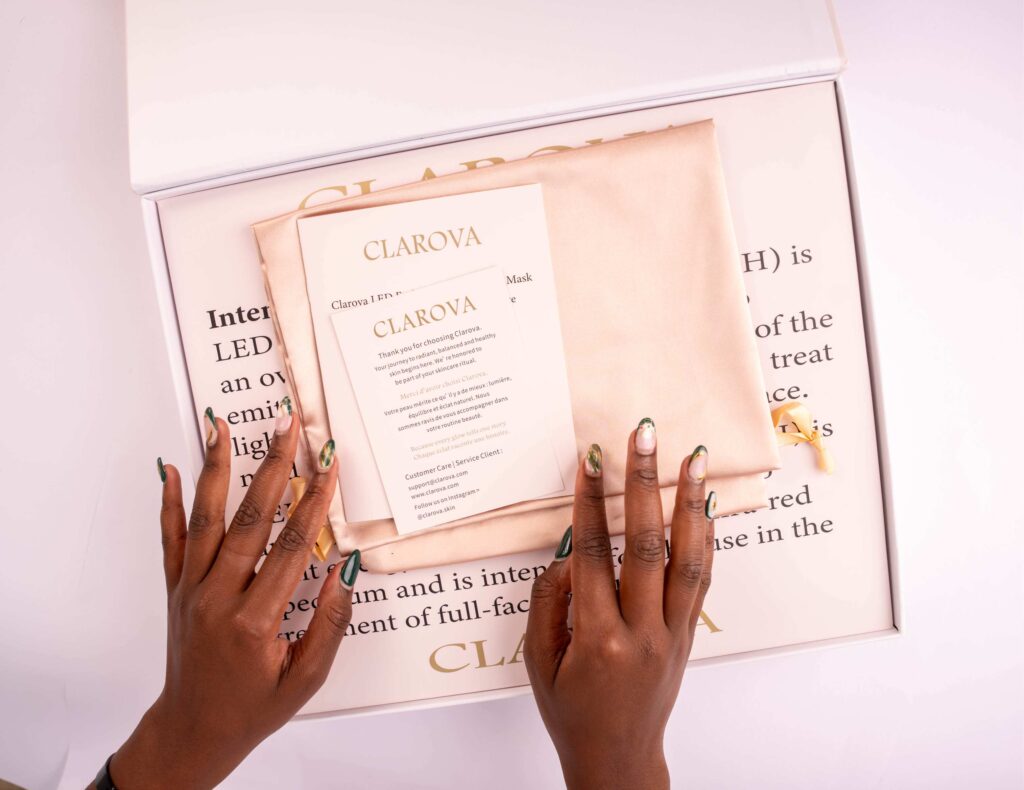 7 photos
Your product photos influence shoppers’ purchasing decisions, which can increase conversion rates and sales for your business. There are many different types of product photography. From studio product images to the lifestyle approach, products in action, group photos of a product line, product packaging, and more!
Why Beauty Product Photography in Kenya Matters
The beauty industry is built on aesthetics. Customers want to see textures, colors, packaging, and real-life results before making a purchase. High-quality images help:
- Build trust and credibility
- Showcase product quality and details
- Strengthen brand identity
- Improve engagement on social media platforms like Instagram and Facebook
- Increase online sales and conversions
In Kenya’s fast-growing e-commerce space, visually appealing product photos can set your brand apart from competitors.
Trends in Beauty Product Photography in Kenya
The beauty industry in Kenya is growing fast, driven by e-commerce, influencer marketing, and a rising demand for authentic, locally relevant content. As a result, brands are moving beyond basic product shots and embracing more creative, story-driven photography styles. Here’s a deeper look at the trends shaping beauty product photography today:
Minimalist and Clean Aesthetics
Minimalism continues to dominate, especially for skincare and luxury beauty brands. Clean backgrounds, soft tones, and uncluttered compositions help draw attention directly to the product. This style communicates sophistication and trust, making it ideal for brands that want a premium or clinical feel. Many Kenyan brands are adopting this approach for website product pages and online stores.
Natural Lighting and Organic Looks
There’s a growing shift toward natural lighting to create soft, realistic, and relatable visuals. Instead of heavily staged studio lighting, photographers are using daylight to highlight true product colors and textures. This trend works particularly well for organic skincare brands, giving a fresh, eco-friendly, and authentic vibe that resonates with modern consumers.
Bold Colors and Creative Backgrounds
On the other end of the spectrum, vibrant and bold visuals are gaining popularity—especially on platforms like Instagram and TikTok. Bright backdrops, color blocking, and creative props help products stand out in crowded feeds. This trend is perfect for makeup brands looking to showcase personality, fun, and creativity.
Short-Form Video Content for Social Media
Static images are no longer enough. Beauty brands in Kenya are increasingly investing in short-form video content such as reels, behind-the-scenes clips, and product-in-use videos. These videos are highly engaging and perform better on social media algorithms, making them essential for brand visibility and audience growth.
Authentic Storytelling Using Real People
Consumers are shifting away from overly polished, unrealistic imagery. Instead, they connect more with authentic visuals featuring real people, diverse skin tones, and genuine experiences. Kenyan brands are embracing this by using everyday models and influencers to tell relatable stories—whether it’s a skincare journey or a makeup routine.
Inclusion of Models in Product Shoots
More brands are incorporating professional models into their photography packages. Model-based shoots allow customers to see how products look and perform in real life. This is especially important for makeup, hair, and skincare brands, where application and results matter. It also helps build emotional connection and trust with potential buyers.
Focus on Texture and Detail Shots
Close-up photography that highlights product texture—such as creams, serums, powders, and glosses—is becoming increasingly popular. These shots create a sensory experience, helping customers “feel” the product visually, which can strongly influence purchasing decisions.
Brand Storytelling and Lifestyle Integration
Modern beauty photography is no longer just about the product—it’s about the lifestyle around it. Brands are incorporating elements like home settings, routines, and daily life scenarios to create a complete story. This approach helps customers connect with the brand on a deeper level.
Beauty Product Photography Packages in Kenya
Photography services in Kenya are typically structured to accommodate different production needs, budgets, and marketing objectives. A professional beauty product photographer in Kenya will often segment packages based on complexity, equipment requirements, and intended usage (e-commerce, social media, or advertising). Below is a more technical breakdown of common packages:
Basic Package (E-commerce Ready)
This package is designed for high-volume product listings where consistency and clarity are key.
Technical Features:
- High-key lighting setup (softboxes or LED panels) for shadow-free images
- White or neutral seamless background (RGB 255,255,255 standard)
- Standard lens range (50mm–85mm) to minimize distortion
- Focus stacking (optional) for enhanced sharpness on small products
- Color calibration using grey cards or color checkers for accuracy
- Output optimized for web (JPEG/PNG, sRGB color space)
Best For:
- E-commerce platforms
- Catalogs and product listings
- Clean, uniform brand presentation
Standard Package (Hybrid Studio + Lifestyle)
This package blends technical precision with creative storytelling, making it suitable for brands that want more engaging visuals.
Technical Features:
- Mixed lighting setups (natural light + artificial fill)
- Use of props, textured surfaces, and styled backgrounds
- Controlled depth of field (f/2.8–f/5.6) for subject isolation
- Composition techniques such as rule of thirds and leading lines
- Advanced retouching (blemish removal, label enhancement, color grading)
- Multiple aspect ratios for cross-platform use (1:1, 4:5, 16:9)
Best For:
- Brand websites
- Social media platforms like Instagram
- Marketing materials and online campaigns
Premium Package (Includes Models & Advanced Production)
This is a full-scale production package designed for high-impact campaigns and brand storytelling.
Technical Features:
- Professional model casting and coordination
- Multi-light setups (key, fill, rim, and background lighting) for depth and dimension
- Use of high-resolution cameras (e.g., full-frame or medium format)
- Cinematic video capture (4K/6K) for reels and advertisements
- Advanced skin retouching (frequency separation, dodge & burn techniques)
- Color grading aligned with brand identity (LUTs and custom presets)
- On-set art direction, styling, and makeup integration
Inclusions:
- Model-based product application shots (makeup, skincare routines)
- Styled environments (studio sets or real-life locations)
- Creative direction and brand storytelling
- Short-form video clips optimized for TikTok and ads
Best For:
- Advertising campaigns
- Product launches
- Influencer and social media marketing
Why Model-Based Product Shoots Matter
Incorporating models introduces a human element that enhances relatability and trust. From a technical perspective, it allows for dynamic lighting setups, motion capture, and real-world context. This helps potential customers visualize product usage, texture, and results more effectively—ultimately improving engagement and conversion rates.
Types of Beauty Product Photography in Kenya
1. Studio Product Photography
This is the foundation of most beauty product visuals, especially for e-commerce. Products are photographed in a controlled studio environment using clean backgrounds—typically white, grey, or soft pastels.
Technical Insight:
- High-key lighting minimizes shadows and distractions
- Use of diffusers and light tents ensures even illumination
- Macro lenses (e.g., 90mm–105mm) capture fine details like labels and textures
- Consistent framing and angles maintain uniformity across product catalogs
Use Case:
Ideal for online stores, marketplaces, and product catalogs where clarity and consistency are critical.
2. Lifestyle Photography
Lifestyle photography places products in real-world environments to create context and emotional appeal. This could be a skincare product on a bathroom shelf or a perfume on a dressing table.
Technical Insight:
- Often uses natural light or soft artificial lighting for realism
- Props and styling are carefully selected to match brand identity
- Shallow depth of field (low f-stop) helps isolate the product while keeping the environment soft
- Color grading is used to create mood and brand consistency
Use Case:
Perfect for storytelling on platforms like Instagram and brand websites.
3. Product-in-Action Shots
These shots capture the product being actively used—like applying foundation, spraying perfume, or using hair products. They are dynamic and highly engaging.
Technical Insight:
- Fast shutter speeds to freeze motion (e.g., liquid splashes or sprays)
- Continuous lighting or high-speed flash for sharp results
- Focus on texture and interaction (e.g., cream consistency on skin)
- Often combined with video capture for reels and ads
Use Case:
Highly effective for advertising and social media campaigns, especially short-form content.
4. Group Product Photography
This style involves photographing multiple products together—ideal for showcasing collections, bundles, or product ranges.
Technical Insight:
- Careful arrangement for visual balance and hierarchy
- Use of symmetry or layering techniques for depth
- Controlled lighting to ensure all products are evenly exposed
- Color coordination to maintain brand consistency
Use Case:
Great for promotional banners, product launches, and upselling strategies.
5. Packaging Photography
In the beauty industry, packaging is often a key selling point. High-quality images of packaging highlight branding, design, and perceived value.
Technical Insight:
- Reflective surface control using polarizing filters and light modifiers
- Close-up (macro) shots to capture print quality and textures
- Edge lighting or backlighting to enhance shape and contours
- Retouching to remove imperfections like dust or fingerprints
Use Case:
Used in advertisements, branding materials, and premium product presentations.
6. Texture and Detail Photography
This specialized style focuses on the physical properties of beauty products—like the smoothness of a cream, the shimmer of a highlighter, or the consistency of a serum.
Technical Insight:
- Macro photography for extreme close-ups
- Directional lighting to emphasize texture and depth
- High-resolution sensors to capture fine details
- Use of tools (spatulas, brushes) to create visually appealing spreads
Use Case:
Common in high-end campaigns and social media content to create a sensory experience.
7. Model-Based Beauty Photography
This combines product photography with portraiture, showing how products look and perform on real people.
Technical Insight:
- Advanced lighting setups for skin tones (key + fill + rim lighting)
- Skin retouching techniques (frequency separation, color correction)
- Collaboration with makeup artists and stylists
- Consistent color grading to match brand aesthetics
Use Case:
Essential for marketing campaigns, influencer collaborations, and brand storytelling.