
Kenya is home to a wide range of development, humanitarian, environmental, health, education and community programmes. From Nairobi-based offices and informal settlements to rural communities and remote project sites, NGOs and international organisations are implementing programmes that deserve to be documented with accuracy, context and dignity.
Project Photos
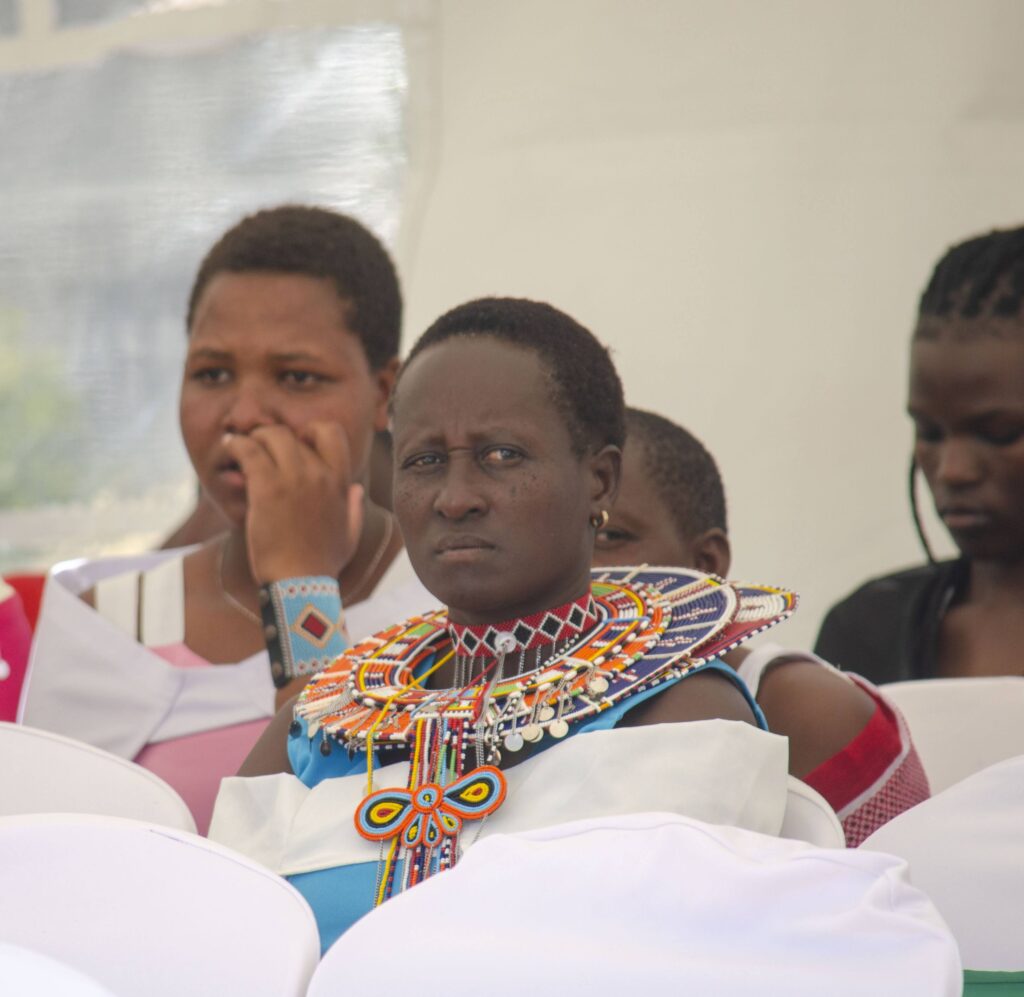
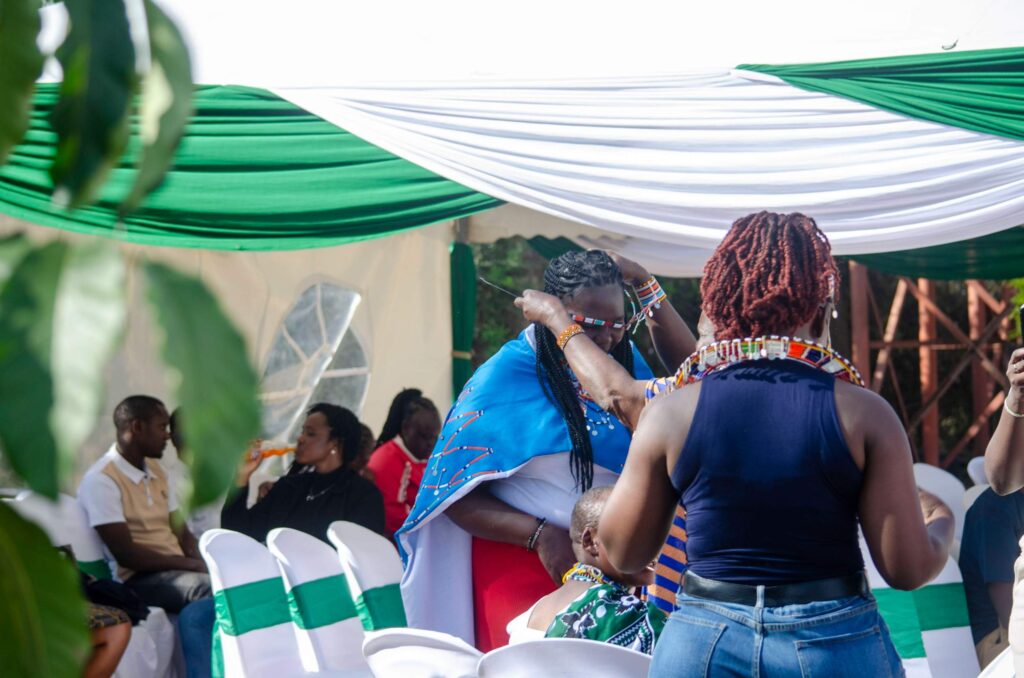
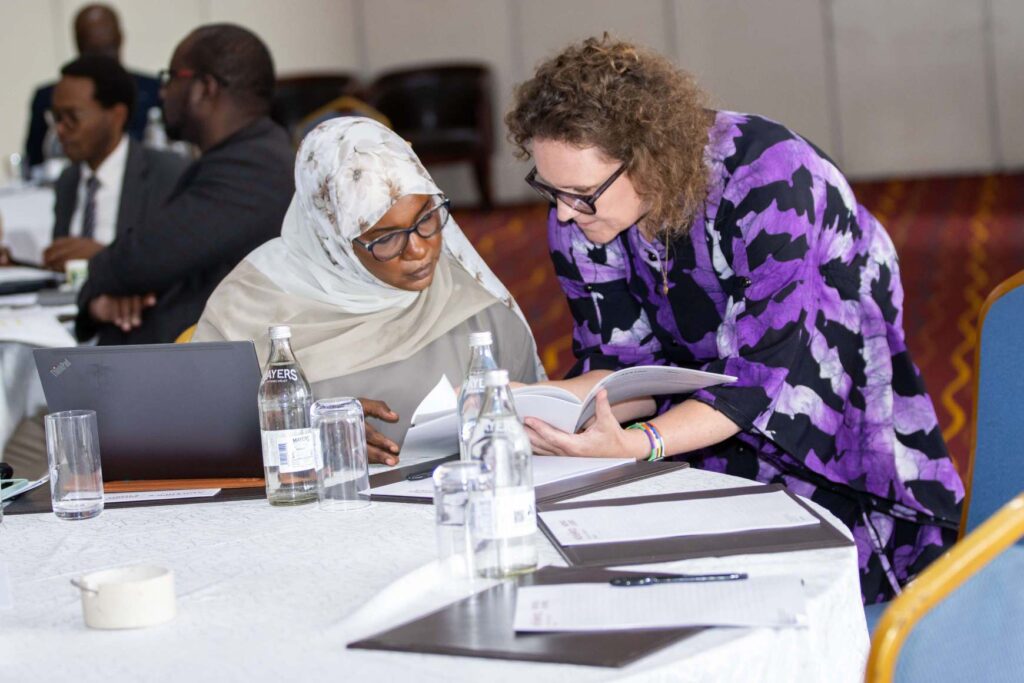
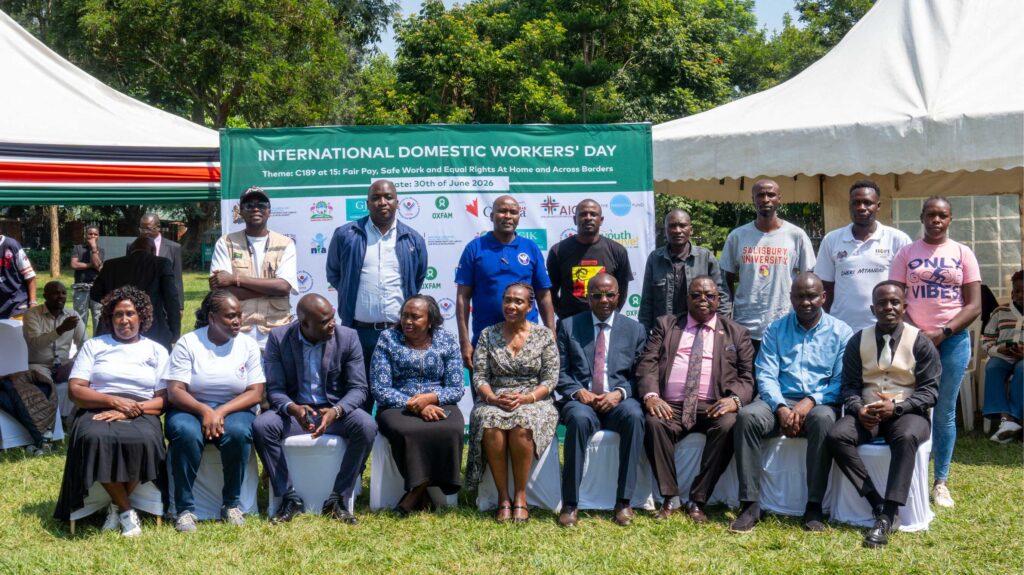 4 photos
A professional NGO photographer in Kenya understands how to translate complex programmes into visual stories that audiences can understand. The right images can help communications teams demonstrate what a programme does, document milestones, support reporting and create a stronger visual record of the people and communities involved.
For NGOs, UN agencies, charities and development organisations, professional photography is therefore not simply about producing attractive images. It is about documenting evidence, people, places and change responsibly.
Why Professional Photography Matters for Non-Profits
NGOs communicate with many different audiences. Donors, programme partners, government stakeholders, beneficiaries, media, employees and the general public may all need to understand different aspects of the same project.
A well-planned photography assignment provides a visual library that communications teams can use across multiple channels.
Professional NGO photography is particularly useful for:
- Annual reports
- Programme reports
- Donor communications
- Grant proposals
- Websites
- Social media campaigns
- Impact stories
- Case studies
- Press releases
- Advocacy campaigns
- Project documentation
- Presentations and conferences
- Fundraising campaigns
- Internal communications
Annual Report Photography for Nonprofits in Kenya – NGO Photographer in Kenya
Annual reports need more than statistics and programme summaries. Strong photography helps give context to the numbers by showing the people, activities and environments behind the work.
Annual report photography for nonprofits in Kenya may document:
- Programme beneficiaries and participants
- Community meetings
- Training sessions
- Healthcare activities
- Education programmes
- Agricultural projects
- Environmental initiatives
- Infrastructure projects
- Staff and field teams
- Community-led activities
- Project milestones
The goal is not to stage an artificial picture of impact. It is to document the programme as it happens while producing images that work within the organisation’s reporting and communications requirements.
Photography That Goes Beyond the Corporate Group Photo
Corporate event photography has its place, but development work requires a different visual approach.
A conference photograph might show who attended an event. A field photograph needs to help explain what the programme is doing and why it matters.
A professional NGO photographer looks for the details that tell the wider story:
- Who is participating?
- What activity is taking place?
- Where is it happening?
- What resources or systems are involved?
- How are community members participating?
- What does the programme look like in practice?
- What environmental or social context surrounds the work?
This approach creates a more complete visual record rather than a collection of disconnected snapshots.
The Power of Ethical Storytelling Photography
Development photography comes with an important responsibility: how people are represented matters.
Modern NGO communications increasingly recognise the importance of informed consent, dignity, cultural awareness and accurate representation.
This is where ethical storytelling photography in Kenya becomes particularly important.
The photographer should work with the organisation’s communications and programme teams to understand:
- Consent requirements
- Safeguarding policies
- Photography restrictions
- Cultural considerations
- Appropriate representation of children and vulnerable groups
- Privacy requirements
- Community expectations
- Organisational communications guidelines
Moving Beyond “Poverty Porn”
Images of poverty, vulnerability or crisis can easily become exploitative when people are reduced to their circumstances.
Ethical documentary photography takes a different approach.
Rather than presenting communities only through hardship, the photographer looks for the wider human story: participation, resilience, leadership, livelihoods, relationships, skills, solutions and agency.
This does not mean avoiding difficult realities. It means documenting them accurately and respectfully, without unnecessarily compromising someone’s dignity.
For NGOs working with children or vulnerable populations, safeguarding and consent requirements are especially important.
What Makes a Good Humanitarian Photographer in Nairobi?
A humanitarian photographer in Nairobi needs more than technical photography skills.
Nairobi is often the operational base for organisations working across Kenya and East Africa. A photography assignment may therefore begin with a briefing at an organisation’s office before moving to a completely different field environment.
The photographer needs to understand the practical realities of working in different locations.
This includes:
Urban and Informal Settlement Assignments
Photography in Nairobi may involve documenting programmes in:
- Informal settlements
- Community centres
- Schools
- Healthcare facilities
- Offices
- Public spaces
- Training venues
The photographer needs to work respectfully around communities while remaining alert to privacy, security and safeguarding considerations.
Rural and Remote Field Assignments
Field photography may involve long road journeys, changing weather, limited connectivity and locations far from major towns.
Good preparation includes understanding:
- Travel distances
- Accommodation requirements
- Local contacts
- Access permissions
- Equipment requirements
- Weather conditions
- Communication arrangements
- Security considerations
The photographer should arrive prepared rather than treating the assignment like a standard commercial shoot.
Documentary Photography for Development Projects – NGO Photographer in Kenya
A documentary photographer in Kenya approaches an assignment with curiosity and patience.
Instead of photographing only predetermined moments, documentary photography allows the story to develop naturally.
For an agricultural project, for example, the assignment might document:
- The farming environment
- Programme staff working with farmers
- Training activities
- Practical demonstrations
- Farmers applying new techniques
- Equipment or infrastructure
- Community interactions
- Individual stories
- Wider environmental context
The resulting image collection gives the communications team multiple ways to tell the project story.
Supporting USAID and UN Agency Communications
International development organisations often operate under detailed communications, safeguarding and branding requirements.
A USAID / UN agency photographer in Kenya should therefore understand that photography is part of a wider communications process.
Assignments may require coordination around:
- Branding guidelines
- Consent documentation
- Safeguarding procedures
- Security protocols
- Site access
- Programme schedules
- Partner coordination
- Photo captions and metadata
- Usage requirements
- Confidentiality
The exact requirements differ between organisations and assignments, so the photographer should follow the client’s applicable policies rather than assuming that one process fits every organisation.
For international organisations, accurate captions are also important. A strong image becomes significantly more useful when the communications team knows who, what, where, when and why.
Social Impact Photography in Kenya – NGO Photographer in Kenya
Social impact photography in Kenya covers a wide range of development sectors.
Health
Document:
- Community health programmes
- Health education
- Medical outreach
- Healthcare workers
- Maternal and child health initiatives
- Health facilities
Education
Photography may cover:
- Classrooms
- Teacher training
- Learning activities
- Education infrastructure
- Student participation
- Community education initiatives
Agriculture and Livelihoods
Visual documentation can show:
- Farmers
- Training
- Irrigation
- Agricultural technologies
- Cooperatives
- Markets
- Processing
- Income-generating activities
Environment and Climate
Projects may involve:
- Conservation
- Renewable energy
- Reforestation
- Water projects
- Climate adaptation
- Waste management
- Sustainable livelihoods
Community Development
Photography can document:
- Community meetings
- Women’s groups
- Youth programmes
- Local leadership
- Infrastructure
- Skills development
- Advocacy activities
Each sector has its own visual language, making it important for the photographer to understand the project before arriving at the field site.
From One Photography Assignment to a Complete Visual Library – NGO Photographer in Kenya
A well-planned NGO photography assignment should produce more than a handful of images for one social media post.
With the right brief, a single field visit can create a library containing:
- Hero images
- Portraits
- Environmental photographs
- Activity photographs
- Detail shots
- Staff photographs
- Community interactions
- Infrastructure images
- Landscape photographs
- Behind-the-scenes documentation
This gives communications teams flexibility when developing reports, websites, presentations, social media content and future campaigns.
Preparing for an NGO Photography Assignment – NGO Photographer in Kenya
The strongest results usually begin before the photographer arrives.
A useful briefing should cover:
Project background
What is the programme and what does it aim to achieve?
Locations
Where will the photography take place?
People
Who needs to be photographed?
Key activities
Which programme activities are most important to document?
Communications objectives
Where will the photographs be used?
Consent and safeguarding
What policies and procedures apply?
Branding requirements
Are there specific visual guidelines to follow?
Deliverables
How many edited photographs are required and in what format?
Timeline
When are the photographs needed?
The more clearly these requirements are defined, the easier it becomes to build a purposeful shot list.
Why Work with a Kenya-Based NGO Photographer?
Working with a photographer based in Kenya provides practical advantages for organisations conducting projects locally.
A Kenya-based photographer understands the country’s diverse environments and can plan assignments around local travel, venues and field conditions.
For organisations operating across multiple counties, this also makes it possible to build a consistent visual approach across different project locations.
At Joe Photography, we provide photography and visual documentation for NGOs, development organisations and institutions across Kenya.
Our work focuses on documenting people, programmes, events and impact in a professional and respectful manner.
We support assignments ranging from Nairobi-based corporate and institutional events to field documentation in other parts of the country.
Build a Stronger Visual Record of Your Work
Your organisation is doing work that deserves to be understood.
Professional NGO Photographer in Kenya gives communications and programme teams a reliable visual resource for explaining that work to donors, partners, stakeholders and the public.
The right photographer does more than operate a camera. They listen to the programme team, understand the communication objective, respect the people being photographed and look for the moments that explain the story.
If your organisation is planning a field visit, annual report, impact campaign, donor documentation assignment or programme launch, Joe Photography provides professional NGO photography and documentary coverage across Kenya.
Get in touch to discuss your project, locations, photography requirements and deliverables.